
What Animals Are Mating in Richmond During March?
Wildlife Activity Spikes in Richmond During March
Much of Richmond’s wildlife is breeding during the month of March. Raccoons, squirrels, flying squirrels, starlings, skunks, opossums, groundhogs, and foxes are all much more active during the spring months compared to the winter. The warmer weather combined with longer days trigger the breeding season for these animals. They begin searching for food, territory, and safe places to raise their young, which often brings them closer to homes. If you need help in the Richmond, VA area with wildlife removal, contact Critter Authority at (804) 492-2804 or fill out our contact form.
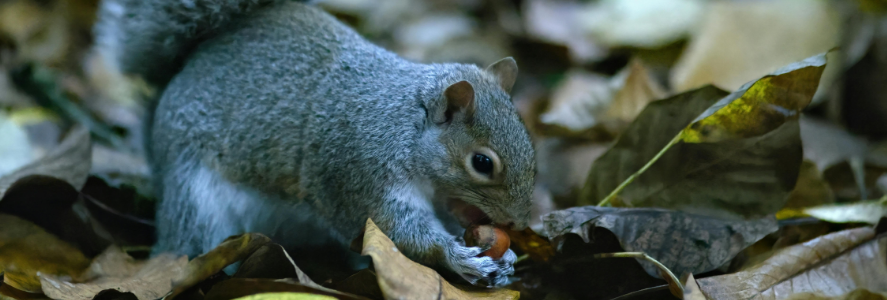
Eastern Grey Squirrels
Eastern grey squirrels have two breeding seasons each year. The first occurs in early spring in March and April, and the second in late summer around August and September. Their nests are built high up in trees, and almost resemble bird nests. It’s not uncommon for them to have a second nest nearby for storing food or hiding from predators.
Problems start when they enter your home. Attics and crawlspaces are dark, quiet spots where they feel they can safely raise their newborn young. They can squeeze through small gaps in fascia, soffits, roofline joints, or vents in your roof. Once they’re in, they may chew through wires, contaminate the insulation, and create new entry points or widen existing ones. When you call us at Critter Authority to take care of the problem, we will humanely remove the squirrels from your home and build exclusions so they can’t return.
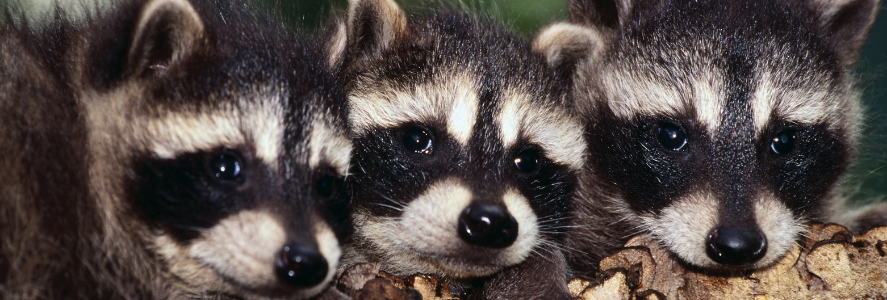
Raccoons
Raccoons breed from January to March, and have their babies in late spring around April or May. In the wild, they use hollow trees and dense brush for shelter, but attics and crawlspaces offer the same protection from weather and predators. When they enter your home, they contaminate the space and ruin the insulation. Even if the raccoon leaves on its own, they are able to remember what spots worked for them in the past and will return if they are able to get in.
Listen out for thumping and scratching noises coming from your walls and ceiling. If you notice activity and occasionally see raccoons roaming your yard or roof, there’s a good chance they’ve made a den in your attic or crawlspace. Since raccoons can carry rabies, you should hire a professional to safely and humanely remove them from your home, restore your attic, and build exclusions so they can’t come in again.
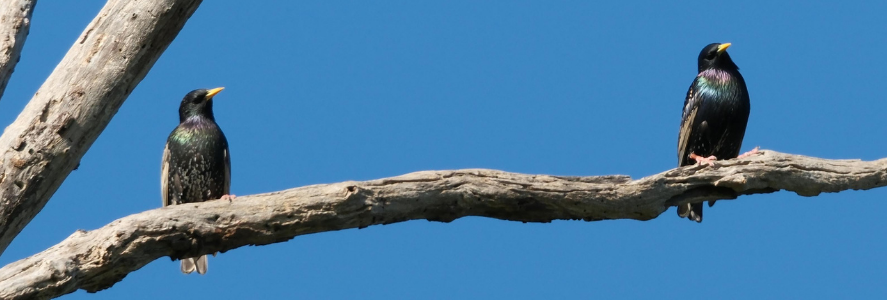
Starlings
European starlings are an invasive bird species found throughout Richmond and the surrounding areas. Their breeding season typically runs from January through June. During this time, their bills turn bright yellow, and their feathers change to a greenish-purple iridescent color. Large flocks (a murmuration), can be quite a sight to see, but they often cause problems for homes and businesses in the area. They build their nests in barns, window shutters, and any openings on buildings that they can find.
Starling control can be difficult. Sealing gaps and entry points can help keep them from getting in, but they still might roost on ledges and other flat surfaces. Wildlife professionals often install bird spikes or smooth metal coverings to prevent them from landing.
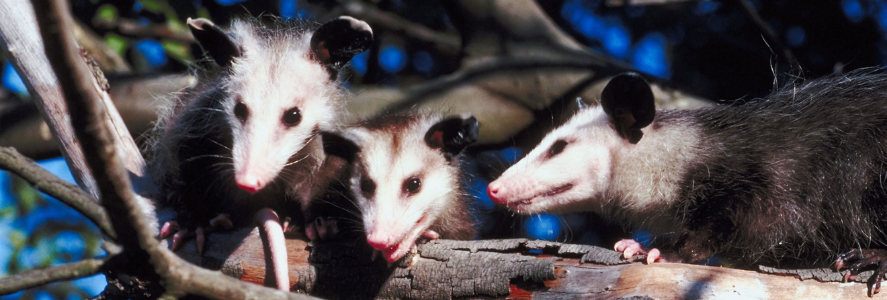
Opossums
Opossums are the only marsupials found in Richmond and most of the United States. They breed throughout the year, but most of their young are born around late spring and early summer. After they’re born, the babies spend a couple months developing inside the mother’s pouch. They then hitch a ride on mom’s back for a bit longer until they’re ready to survive on their own.
Most of the time, opossums will avoid people. If you see them around your yard, they are likely just passing through and will leave on their own. Problems occur when they decide to den under homes, decks, and sheds. Wildlife professionals can humanely remove them from your property, and install exclusions to prevent them from getting underneath structures in the future.
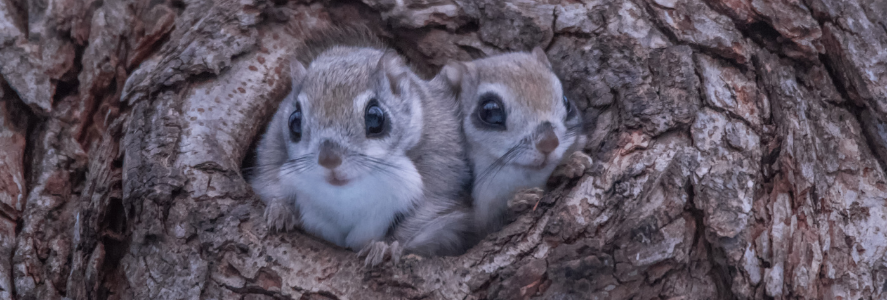
Flying Squirrels
Southern flying squirrels are found throughout Virginia, especially in wooded areas. They usually nest high up in trees, but come down to the ground to forage for food. They typically have two litters in a year, one in late winter and again in early summer. After about two months, the young squirrels are able to survive on their own.
Flying squirrels become a problem when they move into homes. They are able to squeeze through small openings in siding, roof vents, and other gaps to gain entry into attics, walls, and crawlspaces. When they’re inside, they can chew wood and wires, damage insulation, and leave droppings throughout the space.
If you hear scratching or chirping coming from your ceiling, it may be time to reach out to a wildlife professional to humanely remove the squirrels from your home, seal entry points, and repair any damage they’ve caused.
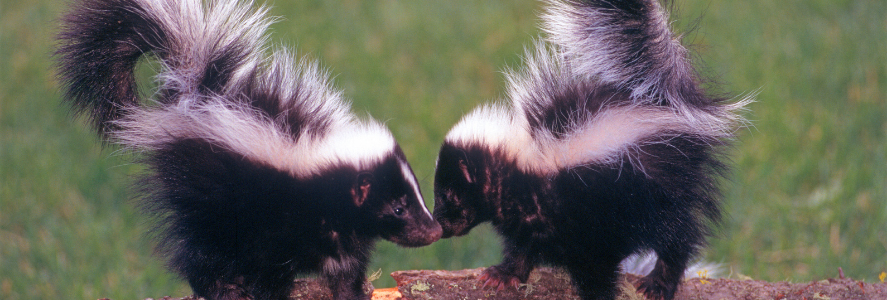
Skunks
Skunks are common in the Richmond area, both in the city and in more rural areas. Their breeding season runs from January through mid-March, and they tend to travel farther than they normally would in search of a mate. Because they may be outside their normal territory during this time of year, they can sometimes become more defensive if they feel threatened.
Skunks will look for a safe place to raise their young like underneath porches, sheds, decks, and crawlspaces. They only need a small gap to dig underneath these structures. They’re often drawn to homes initially because they see it as a food source, so secure the lids on trash bins, and call wildlife experts to install exclusions under decks and porches.
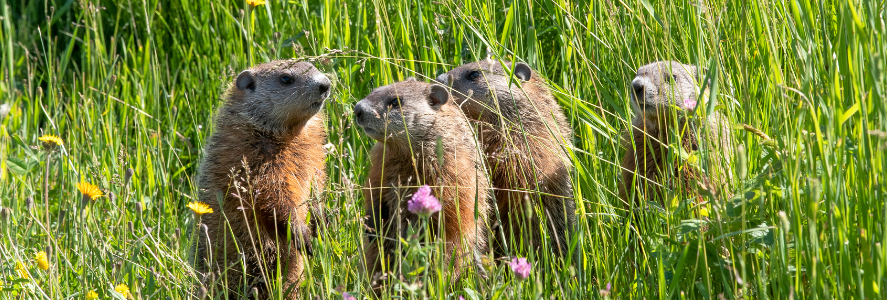
Groundhogs
Groundhogs are very active in March all throughout Virginia. They’re typically foraging for food so they can bulk back up after spending the winter hibernating. They also start their mating season around this time, and give birth in late spring.
Groundhogs are typically harmless to humans. They only become a problem when they start causing damage to your property. They can dig up your yard and burrow five feet deep, weakening the ground above. A wildlife removal expert will humanely trap them, remove them from your property, and install exclusions to prevent them from returning.
Foxes
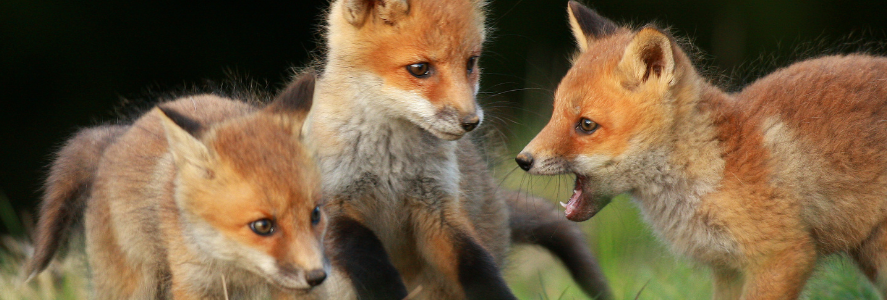
Fox mating season typically runs from December through February, with kits born in early spring. During this time, foxes are surprisingly vocal and may make loud screams or shrieks while courting. The female fox, called a vixen, will look for a safe place to build a den while the male hunts for food.
Occasionally foxes will dig dens underneath decks, sheds, or other structures. If you notice a 6-12 inch hole near your home, it could be a fox den. They frequently will naturally move on after the kits are old enough, so leaving the den alone may be the best option.
However, if foxes are causing damage to your property or posing a risk to your pets, a wildlife professional can help. Fox exclusion methods are often the most effective way to remove foxes and prevent them from returning.
Wildlife Removal and Prevention in Richmond, Virginia
If you notice that one or more of these animals have decided to make your home their next den or nesting spot, reach out to Critter Authority at (804) 492-2804 or fill out our contact form. We offer humane wildlife removal, attic restoration, crawl space repair, and exclusion services for the Richmond, Henrico, Hanover, Ashland, and nearby communities.